
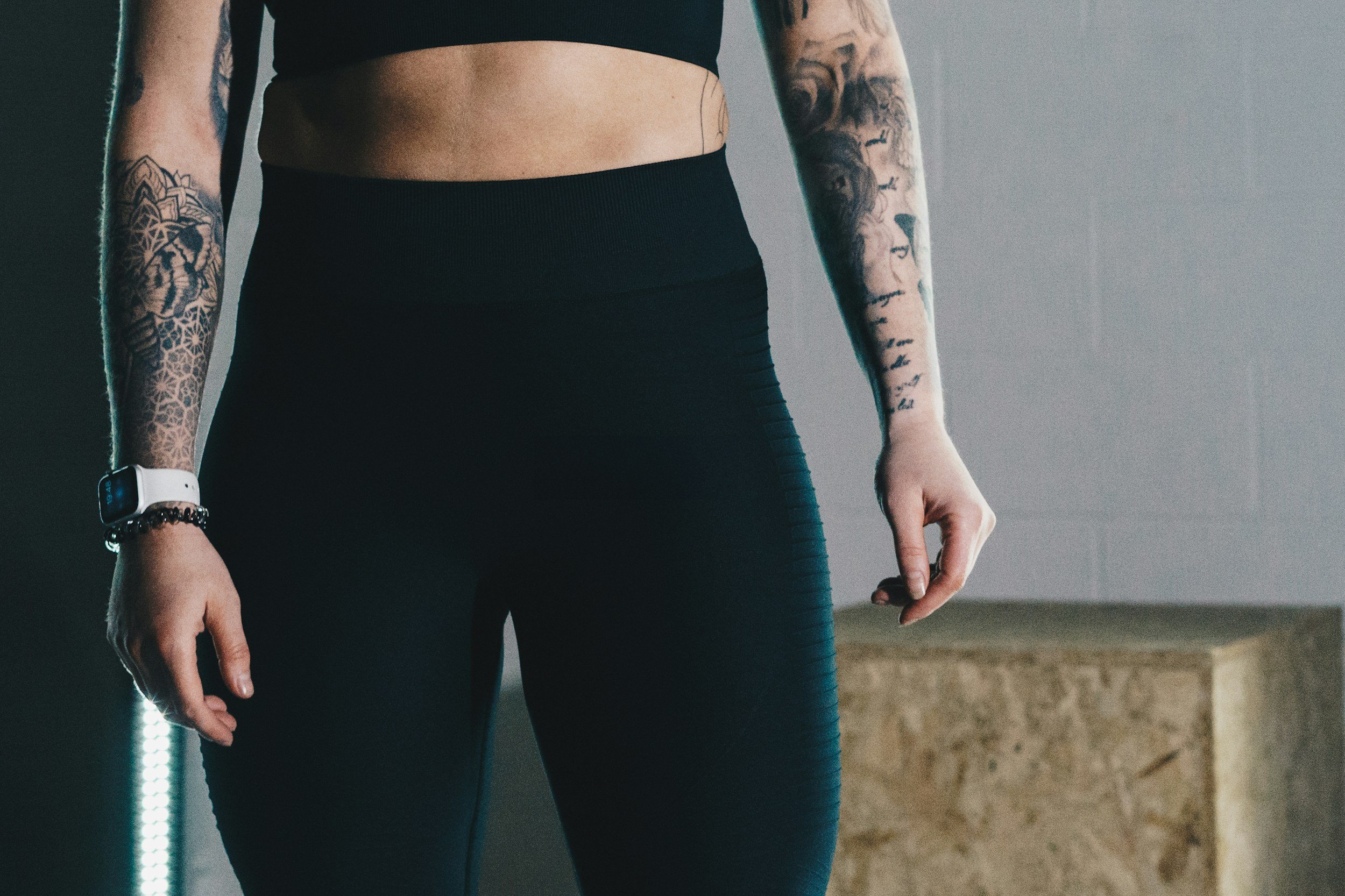
Week three - Day one
Key Pillar - Compression Therapy
Compression Therapy: Supporting Your Body Every Day
Compression therapy is an important part of managing lipoedema for many women. The pressure from compression can limit the build-up of fluid in the spaces between tissues. It also helps support the return of fluid through the veins and lymphatic system, particularly when you move your muscles. Although it doesn't remove lipoedema fat or change the underlying condition, wearing appropriately fitted compression garments can help support the affected tissues and reduce symptoms such as aching, tenderness, discomfort and feelings of heaviness. For some women, compression can also help improve comfort and make movement and exercise feel easier. If you have co-existing lymphoedema or fluid retention, it may also help manage swelling.
Why is compression so helpful?
Supports tender tissues: Compression provides gentle, consistent support which may reduce discomfort and sensitivity.
Can ease feelings of heaviness: Many women find their legs feel more comfortable and supported when wearing suitable garments.
Supports movement: By improving comfort and providing support, compression may make walking and exercise more manageable.
Helps manage swelling: Where there is co-existing lymphoedema or oedema, compression can help control fluid build-up.
Forms part of a wider management plan: It works alongside movement, strength training, skin care and other individualised approaches.
Finding the right compression
Compression isn't one-size-fits-all. There are different garments, fabrics and levels of compression, including leggings, tights, stockings, shorts and adjustable wraps. The best option depends on your symptoms, body shape, medical needs and what you find comfortable.
It's important to have your compression assessed and correctly fitted by an appropriately trained healthcare professional. Compression isn't suitable for everyone, particularly where certain circulation problems are present. If a garment causes increased pain, numbness, tingling, skin damage or changes in skin colour, remove it and seek professional advice.
My own experience with compression
My experience with compression actually began quite a long time ago, before I really understood its role in managing lipoedema. At the time, I was working in a job that involved lots of international travel. I was constantly crossing time zones and sometimes arrived at my destination having very little idea what time of day or night it was! But there was always an expectation that I would hit the ground running as soon as I arrived. I started wearing compression leggings when travelling, hoping they would help me feel more comfortable and make the transition a little easier. I was genuinely surprised by the difference. I found my legs felt much lighter and less swollen on arrival, which had always been a problem in the past.
Fast forward to today, and compression leggings have become a regular part of my daily routine. I was measured by a specialist lipoedema nurse as part of a manual lymphatic drainage session, she recommended two different kinds, the sort of leggings I can work out in and also a pair of medical grade tights that I could wear with dresses. I wear them most days, sometimes for much of the day, and I particularly like putting them on after teaching my evening Pilates classes when my legs are feeling tired. I've tried quite a few different brands over the years and now have several different garments, with varying compression levels. I choose between them depending on what I'm doing and how long I expect to wear them (and which are clean).
For me, compression is another way of looking after my body. It isn't a magic solution, but it has become a really useful part of how I manage my symptoms and support my everyday wellbeing.
-

By using olive oil and avocados, you are adding to your healthy fat count for the day and the tuna hits the protein mark. If you are feeling like you need some extra fibre in your diet then the wholemeal wraps contain lots. You can add other ingredients to these too. Like salmon or chicken.
-
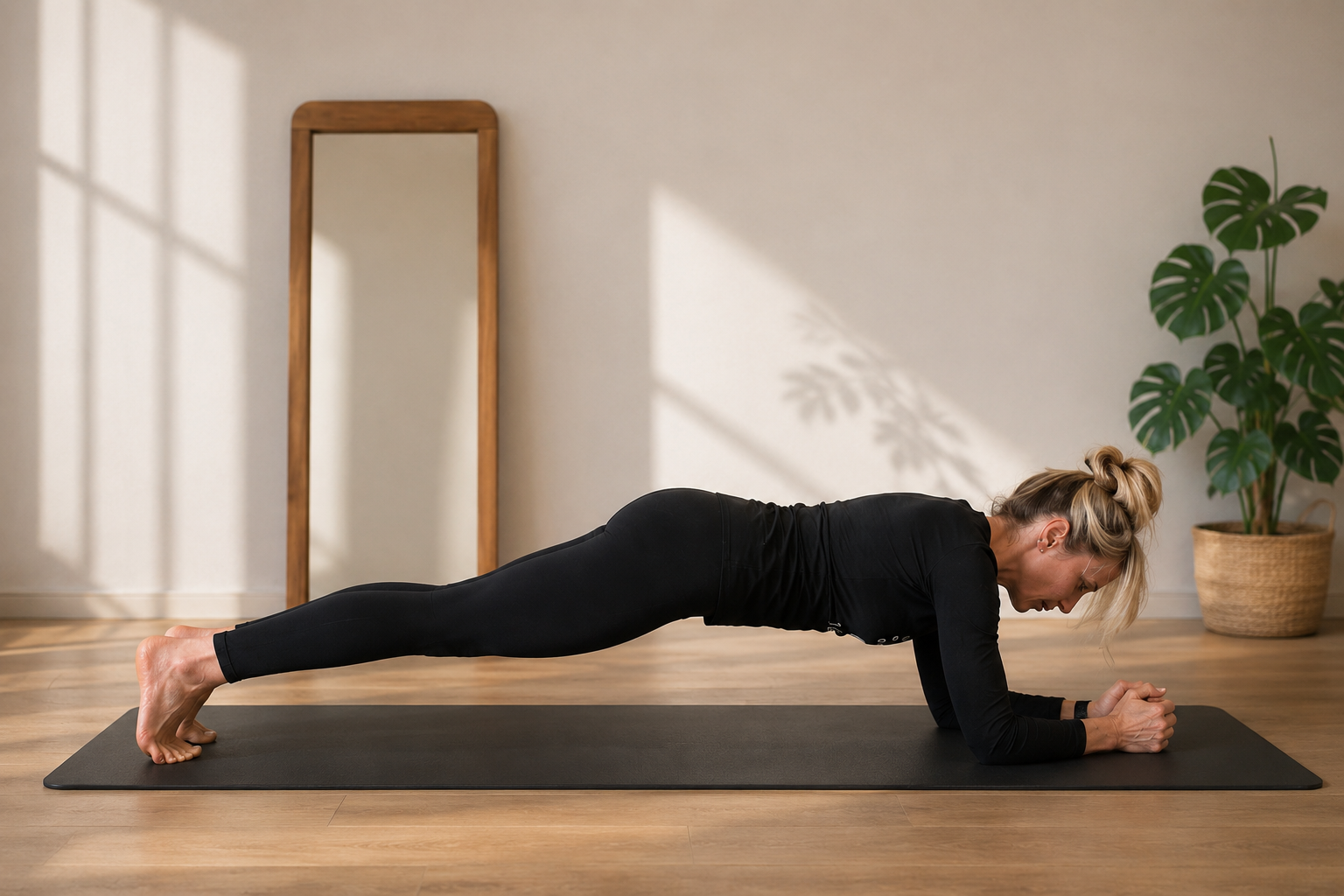
Here's a picture of me wearing my compression leggings. You can still see the characteristic D-shaped appearance of my thighs, with the pockets of lipoedema fat that compression doesn't remove or disguise. But that's not what matters to me. What matters is how they make me feel. My legs feel supported, comfortable and less tired, particularly after a busy day teaching Pilates.